Animating font-variation-settings: keeping motion buttery at scale
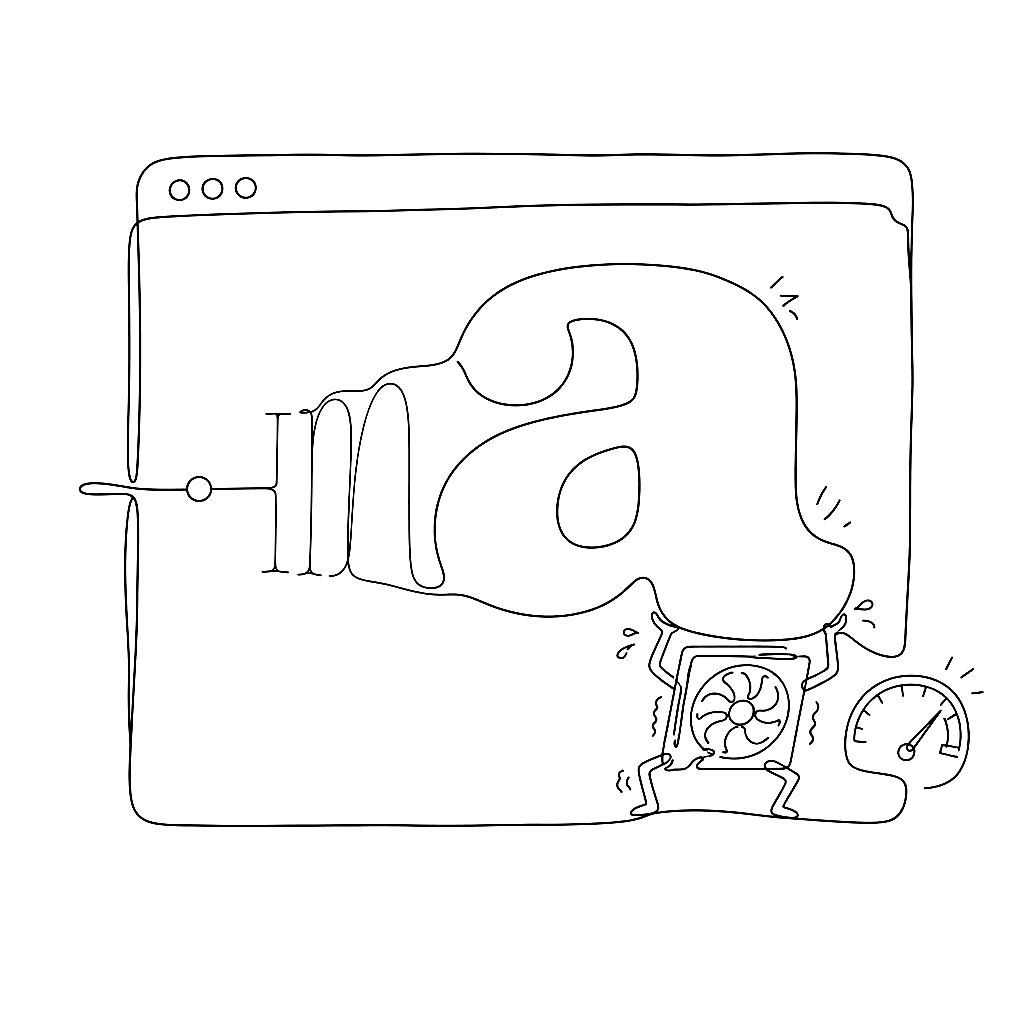
Browsers have shipped robust font-variation-settings support since 2018, and animating those axes works the way the rest of CSS animation works. That is a small miracle, and the people who built it deserve a round of applause.
font-variation-settings is the low-level handle on a variable font’s design space. You name an axis tag — "wght", "wdth", an "opsz" for optical size, or any custom axis the type designer defined — and you give it a value. The renderer interpolates between masters in real time, so a single keyframe block can take a headline from 200 to 800 weight without a flicker:
@keyframes breathe {
  from { font-variation-settings: "wght" 200; }
  to   { font-variation-settings: "wght" 800; }
}
h1 { animation: breathe 4s ease-in-out infinite; }
The first time this works on a real page, it feels a little magical. The browser is re-interpolating glyph outlines and re-rasterising them every frame, and it does so fluidly because graphics teams at Apple, Google, Mozilla, and Microsoft put years into making it fluid.
A generous tip from the community
When you start animating many headings on the same page — section titles, pull-quotes, a sticky nav, ten card heroes in a long scroll — every one of those animations keeps running even when its element is off-screen. That is normal CSS-animation behaviour, but it is also a great place to be a good neighbour to your reader’s CPU.
Mandy Michael published a clean pattern for this back when variable fonts first hit the web, and it still works beautifully today: pause animations on elements that are scrolled out of view using IntersectionObserver.
const observer = new IntersectionObserver(entries => {
  entries.forEach(e => {
    e.target.style.animationPlayState =
      e.isIntersecting ? "running" : "paused";
  });
});
document.querySelectorAll(".animated-heading")
  .forEach(el => observer.observe(el));
A handful of lines, and the whole page stays smooth. It is a lovely bit of craft from a community that has been generous with its lessons since variable fonts were brand new.
Two playgrounds worth bookmarking
Two more places that opened the door before variable fonts were officially mainstream:
- Axis-Praxis, by Laurence Penney, launched in late 2016 — before the variable font specification was even finalised. It was the first public playground for exploring what the axes could do, and it is still one of the most enjoyable.
- v-fonts.com, by Nick Sherman, launched at Robothon in March 2018. It remains the best gallery for fonts worth animating today.
Both predate the moment “variable fonts” became a mainstream phrase, and both are still the right place to start when you want inspiration. Stand on those shoulders — they were put there for you.