Skip to content

2024

FontLab

FontLab TV: spacing letters from scratch
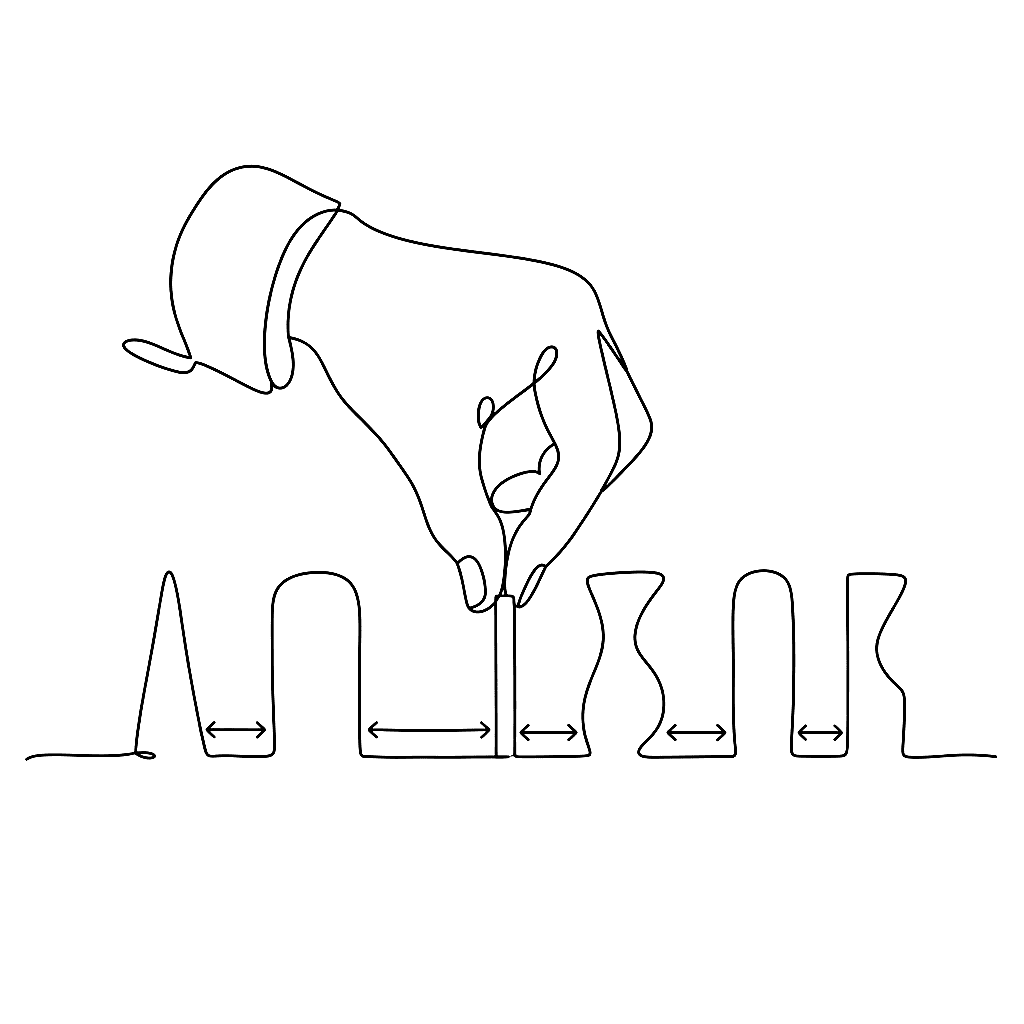
Spacing is what separates a font that exists from a font that reads. The FontLab TV spacing episode is the one to watch first — before kerning, before OpenType, before anything else that can mask bad sidebearings.
FontLab

OpenType features as invisible UX

Most readers never notice when typography is right. They only notice when reading feels like work. The features that decide which side of that line a font lands on are mostly the unglamorous ones — kerning, standard ligatures, contextual alternates — the parts that handle the friction the user never sees.

FontLab

Hinting and screen testing: the craft of small sizes

You can spend six months refining the curvature of a lowercase ‘s’, and then your font gets rendered onto a generous grid of pixels on someone’s second monitor at 1366 × 768. Translating a smooth Bézier into that grid is one of the more delicate handovers in typography, and the people who built the tools that handle it have been wonderfully inventive about it.

Adam Twardoch

Made with FontLab: Dave Lawrence

Bodoni Casale is not a Bodoni revival in the careful, museum-conservator sense. It’s three Bodoni revivals — Casale, Ferrara, Terracina — each a different printed source, each digitised at the level of detail that only matters when somebody looks at the page from six inches away. That’s the California Type Foundry house style, and Dave Lawrence does it in FontLab.

FontLab

Scripting the mundane: letting Python do the dishes

Type design is an art form. Font production is a factory job. Once the aesthetic decisions are settled on the core alphabet, you face the unglamorous reality of propagating those decisions across hundreds — sometimes thousands — of glyphs. Doing that by hand is a recipe for repetitive strain injury and existential dread.

FontLab

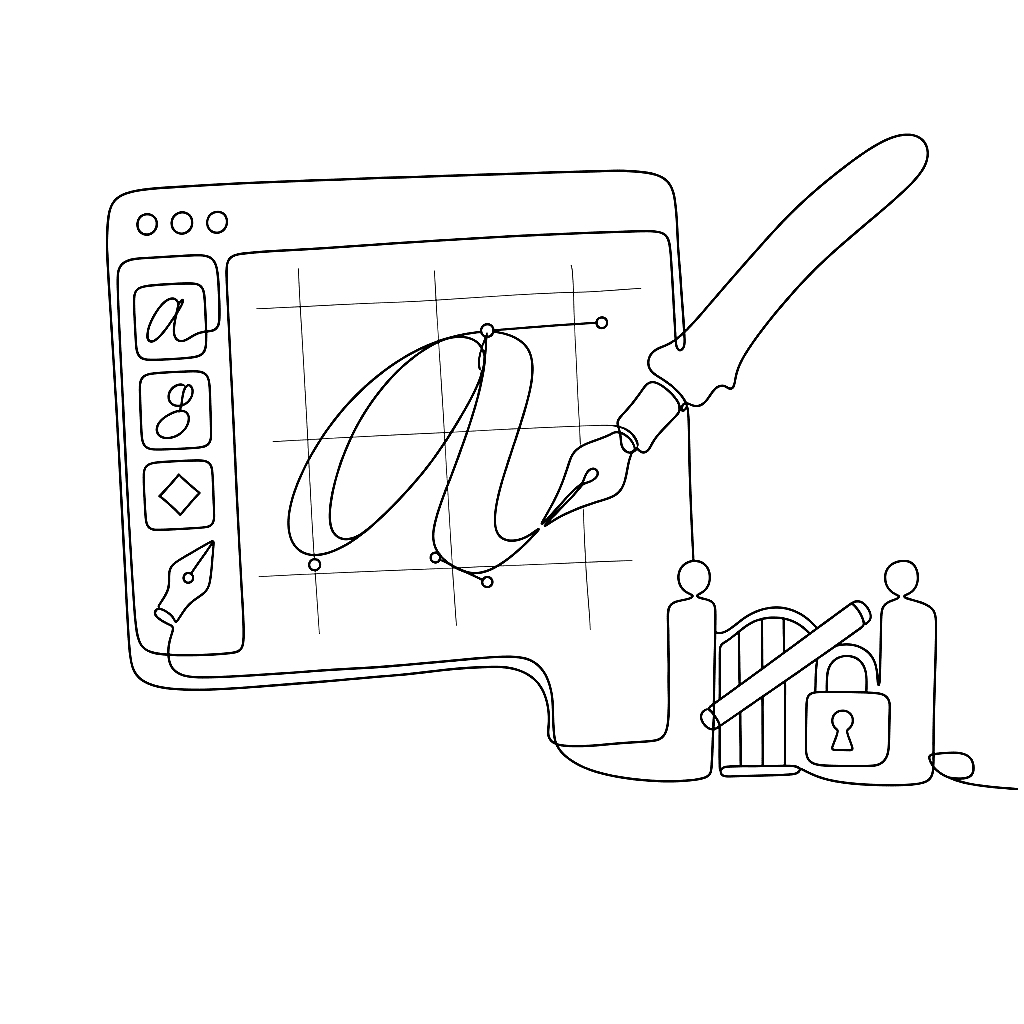
Drawing calligraphic fonts in FontLab: setup and shapes

Dave Lawrence of California Type Foundry wrote a comprehensive set of tutorials for FontLab 8, from installation to finished font. This post distills the first two chapters: getting your environment set up, and the fundamentals of drawing in FontLab’s glyph-oriented workflow.

Adam Twardoch

Made with FontLab: Alexander Kapusta

YFF Becha looks like a poster you’d find tacked behind a bar in Lviv — heavy, slightly off, deliberately so. It’s the kind of display face that does not pretend to be neutral, and it’s drawn by Alexander Kapusta at his one-person foundry, Your Font Fetish.

FontLab

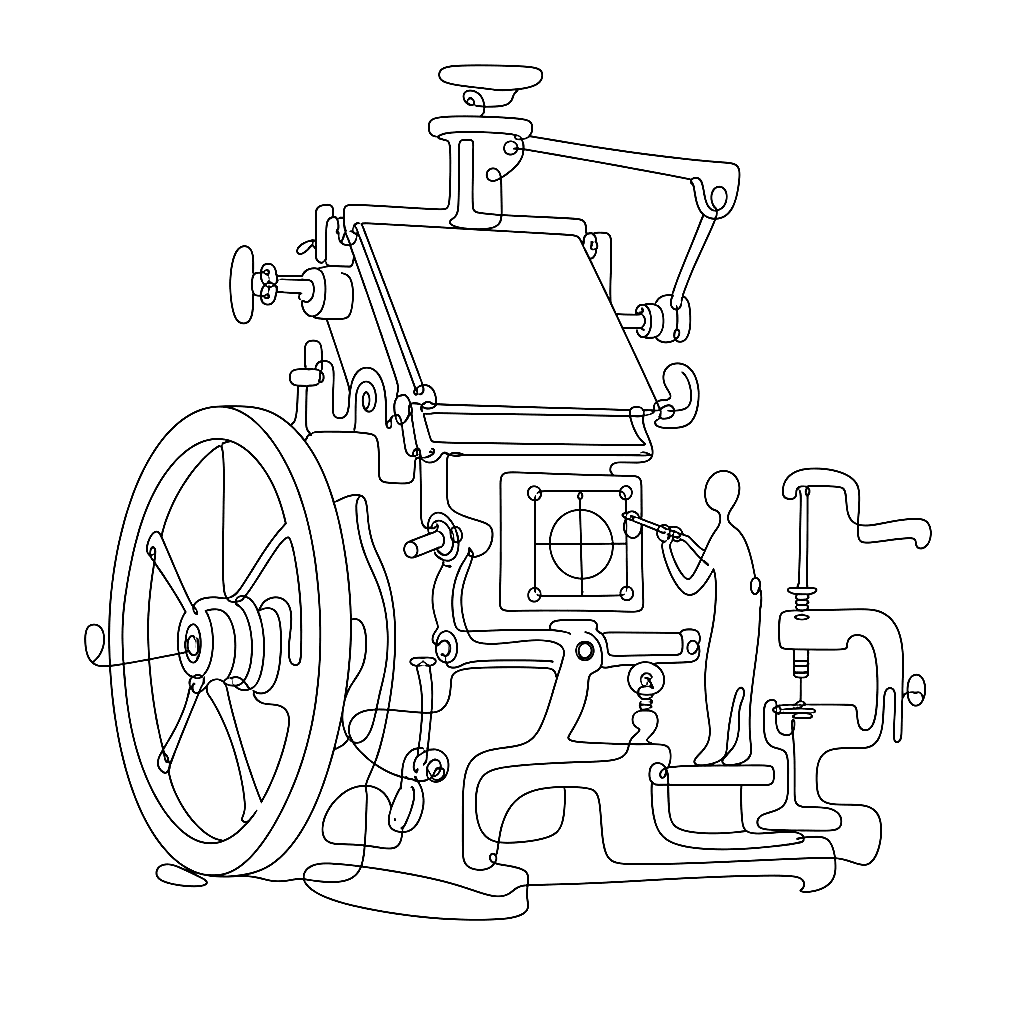
The heavy machinery of FontLab 8.4

Drawing letters for a living turns out to be mostly an exercise in being perpetually disappointed by optical illusions. A geometric circle next to a geometric square at the same height looks smaller than the square. The fix is to draw the circle slightly larger so that it merely looks the same size. Type design is a profession built on quietly lying to the eye so the eye perceives the truth.

FontLab

Ghosts in the machine — drawing with strokes

The standard method for digitising a font is to draw the outline. You map the exterior boundary of the shape with Bezier curves, and you push and pull nodes until the silhouette behaves. This works fine for rigid sans-serifs. For a script font, it feels like sculpting in oven mitts.

FontLab

FontLab 8.3 and 8.4: what's new

Since the FontLab 8.2 release in August 2023, two major free updates have shipped: 8.3 in December 2023 and 8.4 in June 2024. Together they add over 200 new features and improvements. Here is the short version.

FontLab

Briem on spacing, italics, and the bold weight

Three chapters from Gunnlaugur SE Briem’s notes on type design cover the work that comes after the roman is drawn: making a bold weight, designing the italic, and spacing the result. All three are harder than they look and more forgiving than they seem.

TransType

TransType, the converter that outlived the format

Digital formats rarely retire on their own. New ones arrive, the world picks them up, and the older format is gradually sunsetted by the companies that built it. PostScript Type 1 followed exactly that arc, and TransType 4 has been the friendly moving van ever since — keeping the typefaces inside those old files alive on modern systems.