Money lace — guilloché, intaglio, and the Spirograph
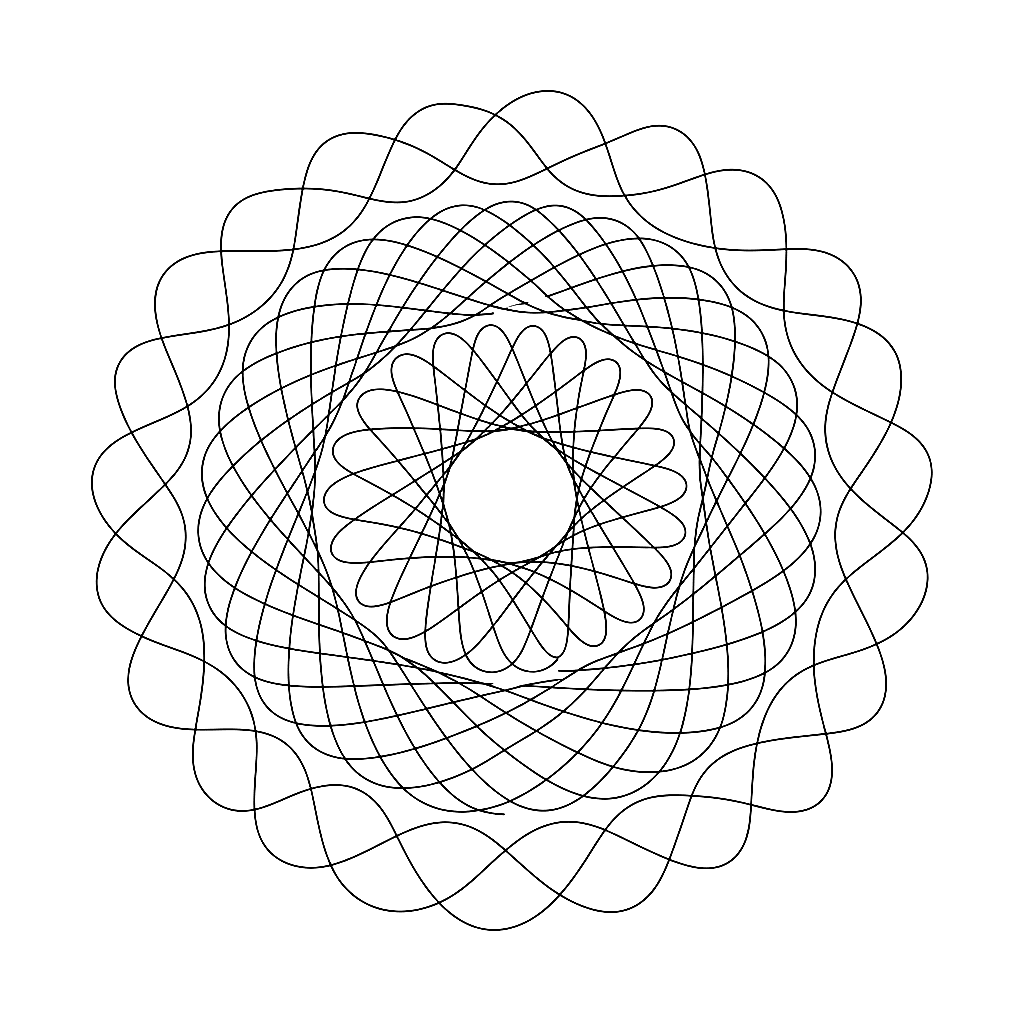
The fine-line patterns on a banknote are a security feature. A British engineer made a toy of them in 1965 and sold 30 million units.
Guilloché, from the French guillocher — to engrave with a rose engine. The rose engine is a lathe with an eccentric cam that moves the cutting head in a programmed path while the workpiece rotates. The result is interlocking curves no hand can reproduce consistently, which is exactly what you want if you’re trying to stop forgery.
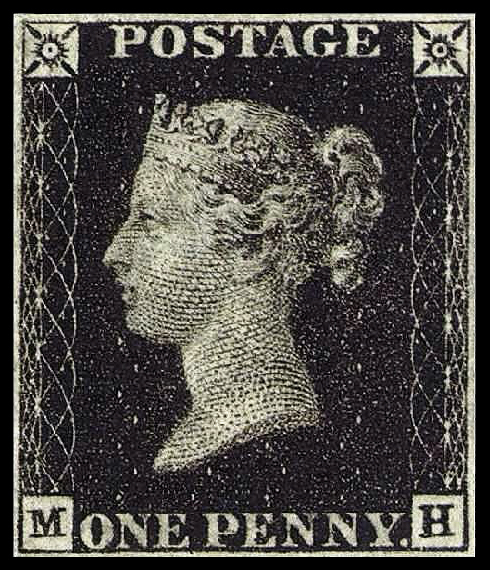
Peter Hubert Desvignes patented a “Speiragraph” in 1827 — a geared drawing machine that produced the same curves on paper. The Penny Black (1840), the world’s first adhesive postage stamp, used guilloché as its anti-counterfeit measure. The US Bureau of Engraving and Printing was authorised in 1862, took over US currency production from the American Bank Note Company in 1877, and has printed all US notes by dry intaglio since 1968.
Intaglio printing cuts the image into a metal plate. The ink sits in the grooves. Paper is pressed into the plate under enormous pressure and picks up the ink from inside the cut. Run your finger across a US banknote and you can feel the ridges — that’s intaglio. It cannot be photocopied accurately. It cannot be reproduced on an inkjet. For a century it was the best available defence against counterfeiting, paired with guilloché patterns too complex to draw by hand.
Then Denys Fisher built the Spirograph from Meccano gears in 1962–65, debuted it at the 1965 Nuremberg Toy Fair, won UK Toy of the Year in 1967, and sold 30 million units by 1977. A child with a 50p toy and a ballpoint pen could draw, in five minutes, the kind of curve that had previously been a national security infrastructure.
The Bank of Canada Museum puts it plainly: “In the 1970s, bank notes were decorated with guilloche patterns that can be easily reproduced with a Spirograph. These were not just beautiful details, but security features designed to make reproducing the notes extremely difficult.”
The pattern stayed on banknotes anyway. By the 1970s it had stopped being purely functional and started being the look of money — a visual convention that says this is official regardless of whether it still defeats forgery. The guilloché border on a diploma or a certificate today is doing the same semiotic work: it is performing authority, not preventing fraud.
For Vexy Lines, guilloché is the ancestral algorithm. Every parametric line tool — from a CSS animated SVG to a long-form generative art piece — descends from a French rose engine and a British toy.
The security feature became a style. The style became a toy. The toy became a tool.