
fvar, avar, HVAR — the tables that hold a variable font together

A variable font isn’t a new file format. It’s an OpenType file with a few extra tables nailed on, and once you know what each one does, the whole thing stops being magic.
A variable font isn’t a new file format. It’s an OpenType file with a few extra tables nailed on, and once you know what each one does, the whole thing stops being magic.


If you’ve read a comic in the last twenty years, you’ve read Blambot. Nate Piekos’s foundry has supplied the lettering fonts for an absurd share of the medium — the dialogue balloons, the SFX, the display titles. Five of his Blambot families sit in the public made-with-fontlab gallery, all drawn in FontLab 7.

The fashionable take is that variable fonts are not about file size. The fashionable take is wrong, or at least wrong by half.

Christian Robertson drew Roboto in 2011 for Android. Ten years later, David Berlow’s team turned it into something with thirteen knobs.

Color fonts have stopped being a novelty and started being a deliverable — emoji, branded display faces, multi-layered display work. The FontLab TV color font episode covers the four formats you actually have to think about and which to ship for which target.
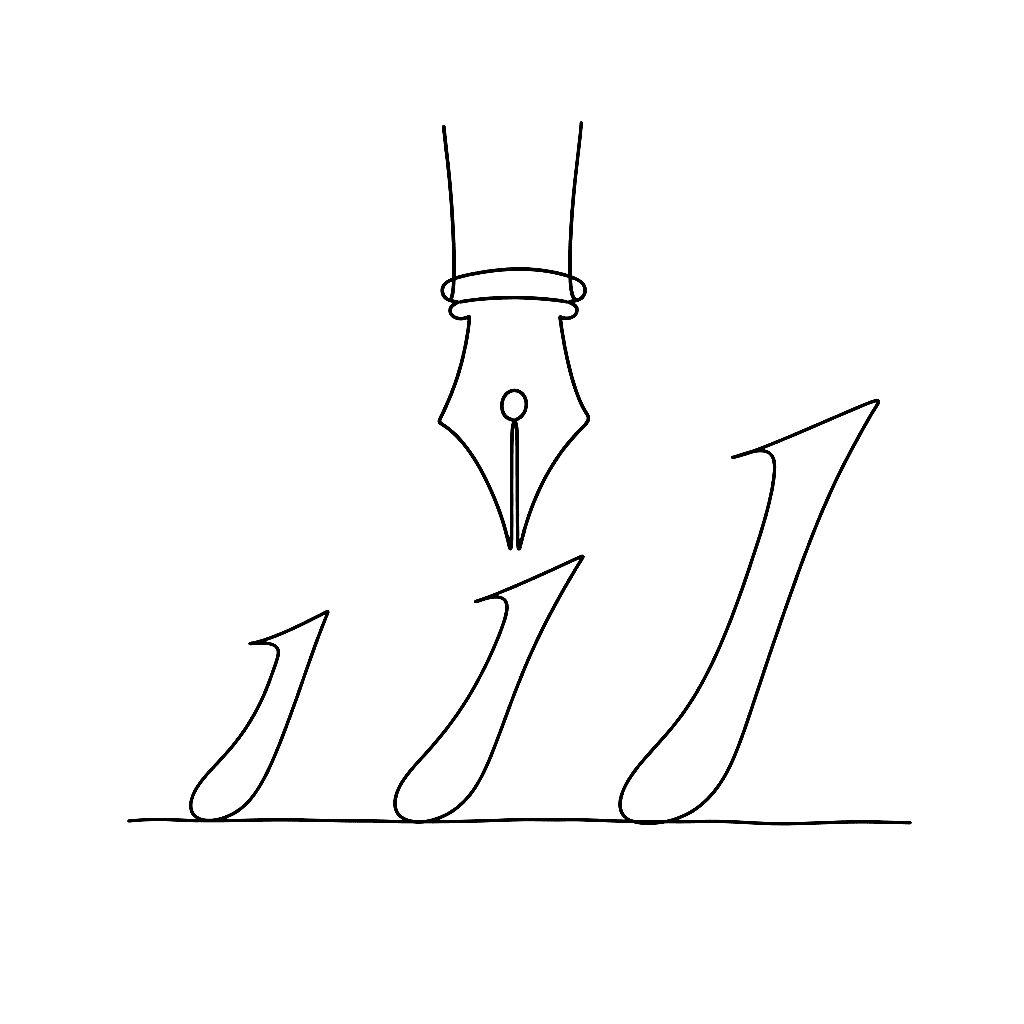
Once your letterforms are drawn, the work shifts to spacing, quality control, and — if you’re ambitious — building a family. This post distills Dave Lawrence’s chapters on fitting and spacing, building italic variants, and planning a type family in FontLab 8.

Bananas is a casual brush face that is mostly an excuse to grin while you set it. Ronaldson Pro is a 19th-century revival that took years to draw and exists because Patrick Griffin would not let the original die. Both are Canada Type. Both came out of FontLab.
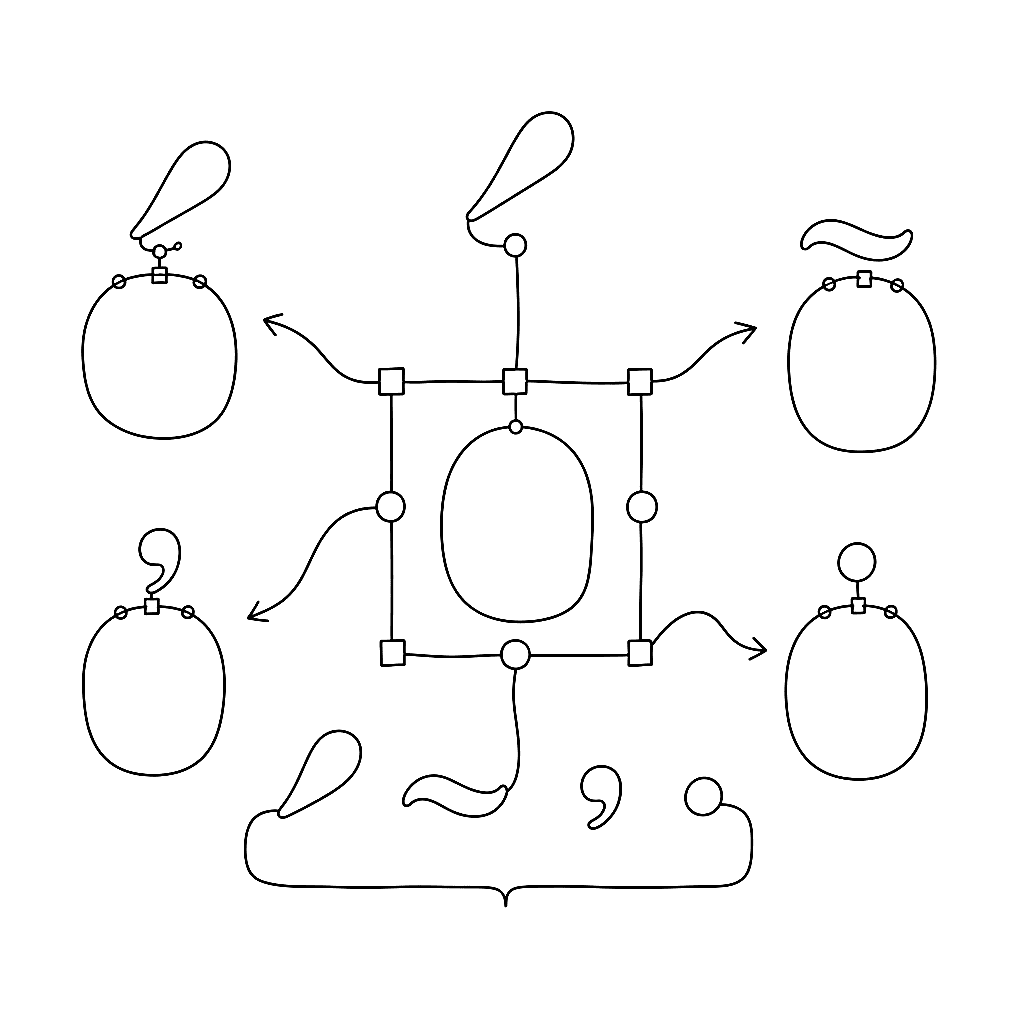
If you are still drawing every accented letter by hand, this is the episode that retires that habit. Anchors plus components mean you draw a and acute once, and FontLab assembles aacute, acircumflex, agrave, and the other 700-odd accented forms for you.