A colour font is a black-and-white machine
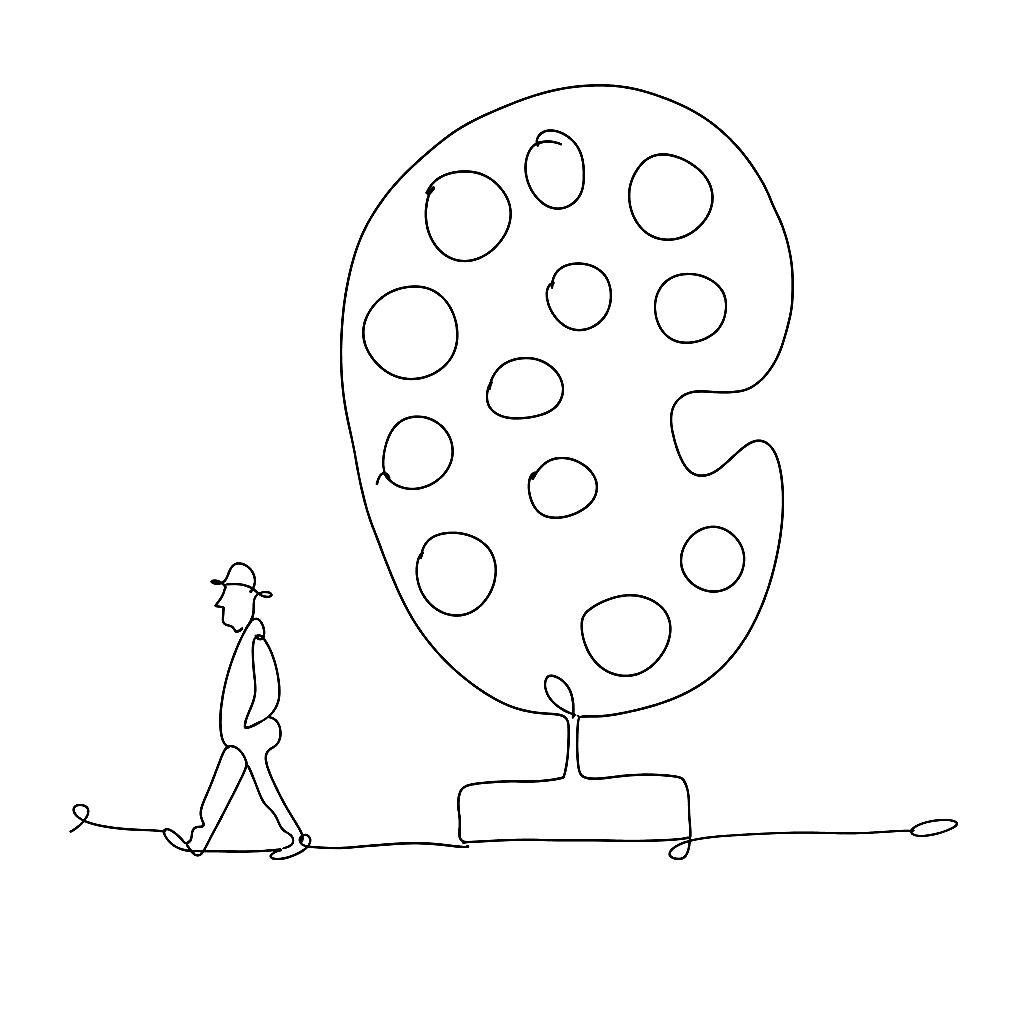
A colour font with one palette is a coloured drawing. A colour font with thirty palettes is a theme system. The difference is CPAL, and most people walk right past it.
A colour font with one palette is a coloured drawing. A colour font with thirty palettes is a theme system. The difference is CPAL, and most people walk right past it.
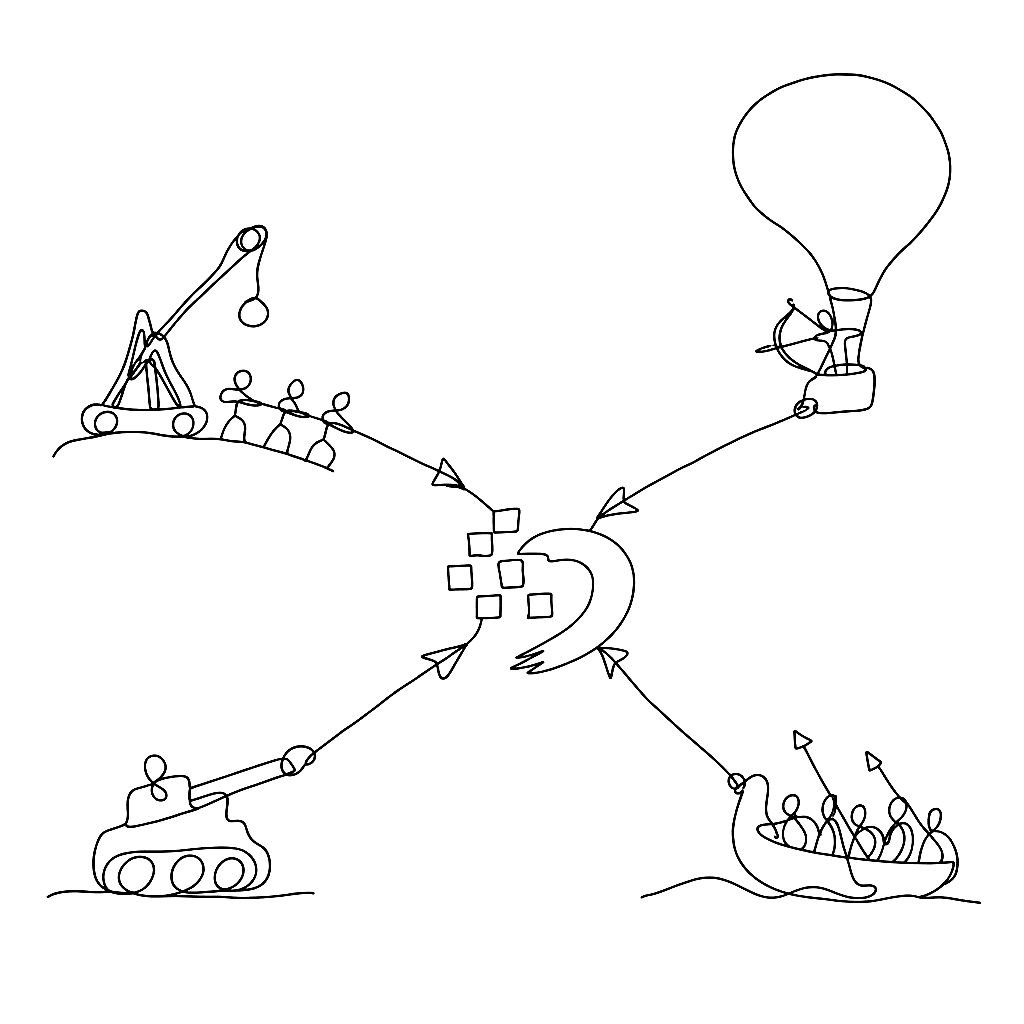
In 2013, four companies each decided the same thing: OpenType needed color. They each decided it differently.
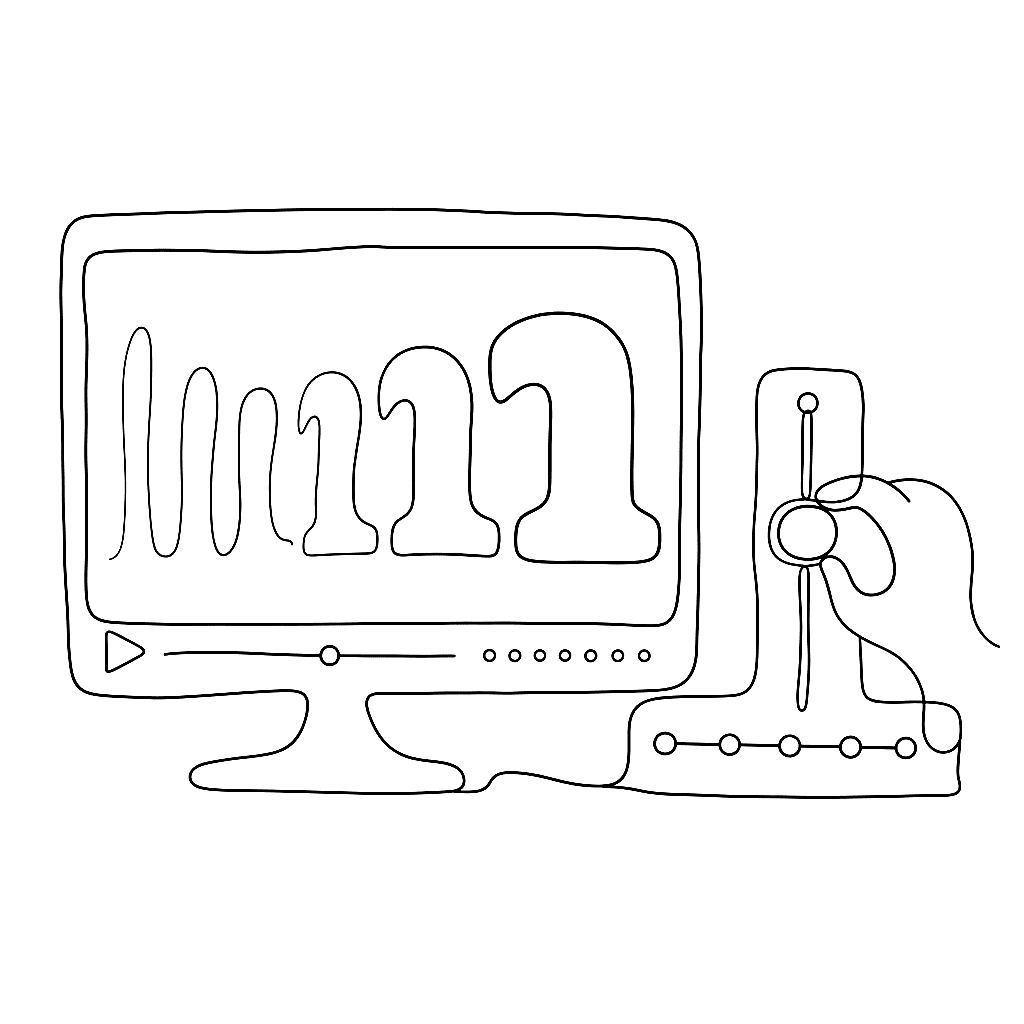
FontLab TV has published a 50-hour video course on variable font design, organized into 25 playlists. It runs from absolute fundamentals — coordinates, contours, metrics — through production, hinting, export, and font business basics.

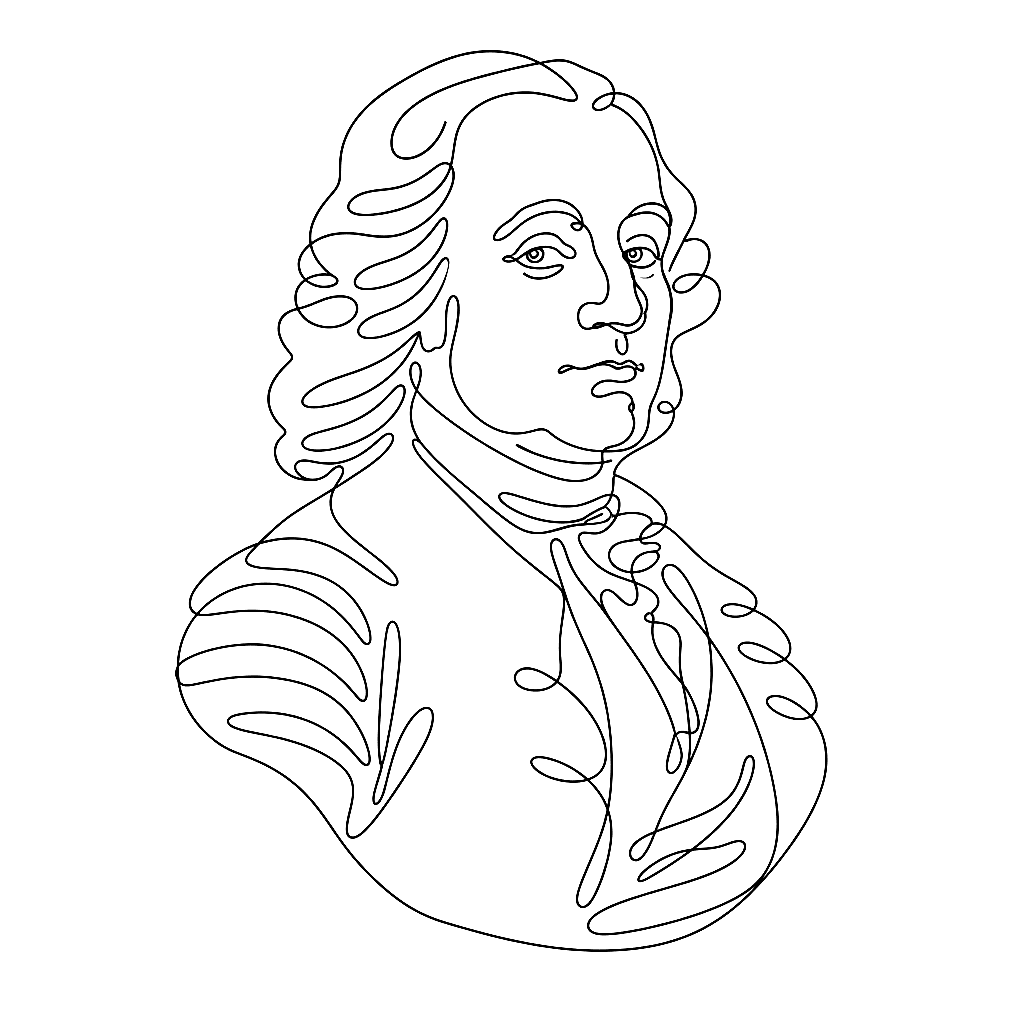
Engraving is a useful lie. A hedcut looks old, sober, authoritative, and a little expensive — even when it was made yesterday.

Six programmes shape almost everyone working in type design in 2026. All six are small. Most are slow by design.
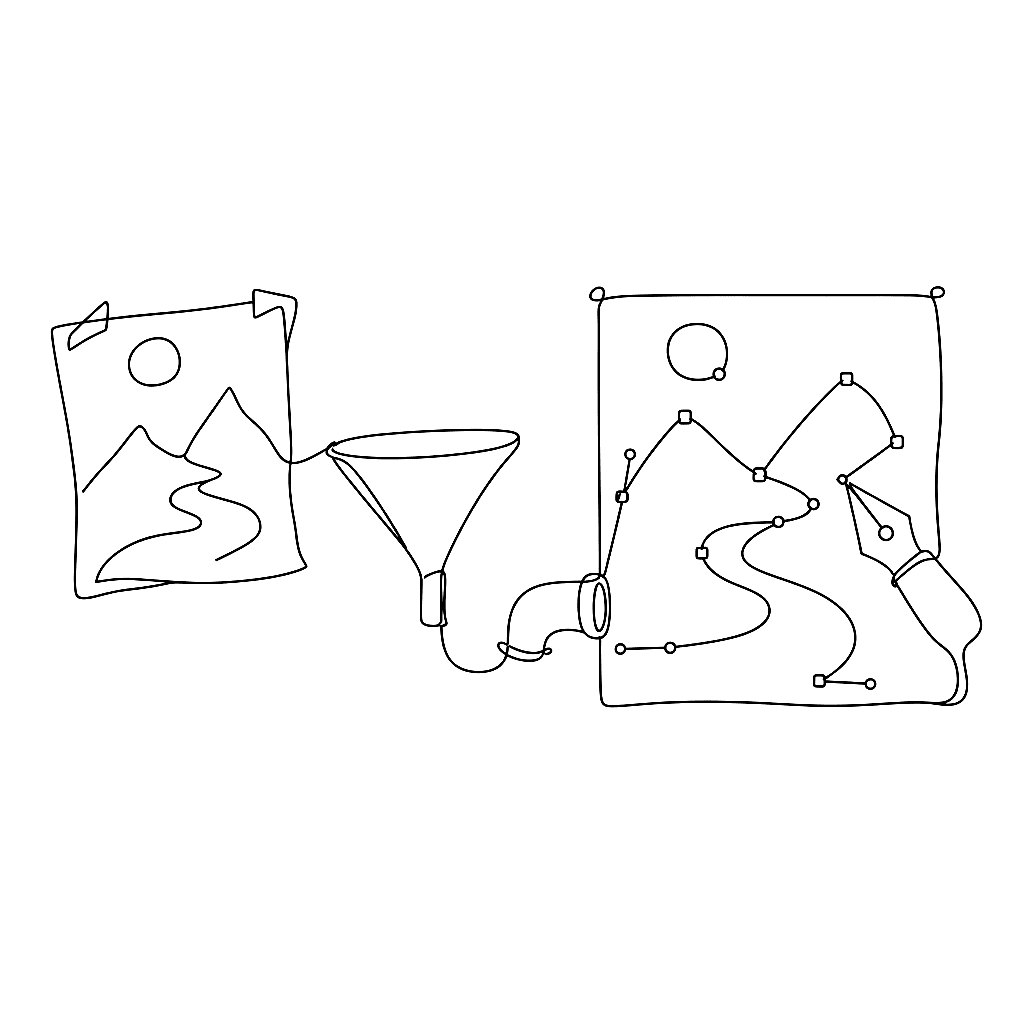
Vexy Lines is not a font tool. It is a vector generator that happens to play unusually well with type-design tools.

Most of the world’s text passes through a library most people have never heard of.
If you read Korean on a phone, you are almost certainly reading a Sandoll typeface. That is not an accident — it is four decades of infrastructure work.
Italics are the part of a font family that most often gets shipped wrong — slanted romans, no cursive structure, lopsided ovals. The Calfonts italic tutorial walks through what it actually takes to draw an italic that earns its place next to the roman.
King Sejong personally invented the Korean alphabet in 1443. Its instruction manual was lost for four centuries, then carried through the Korean War inside a man’s coat.
Most font editors grew up thinking about Latin. In April 2025, a Korean designer published the book that translates FontLab into Hangul terms.
Science Gothic is a four-axis variable font drawn by Thomas Phinney, Brandon Buerkle, and Vassil Kateliev. The fact that it exists at all — full Latin coverage, four axes, a real production pipeline — is partly because Kateliev wrote the toolkit that did the heavy lifting.
The most difficult part of drawing a typeface is not the black ink. It is the white space.
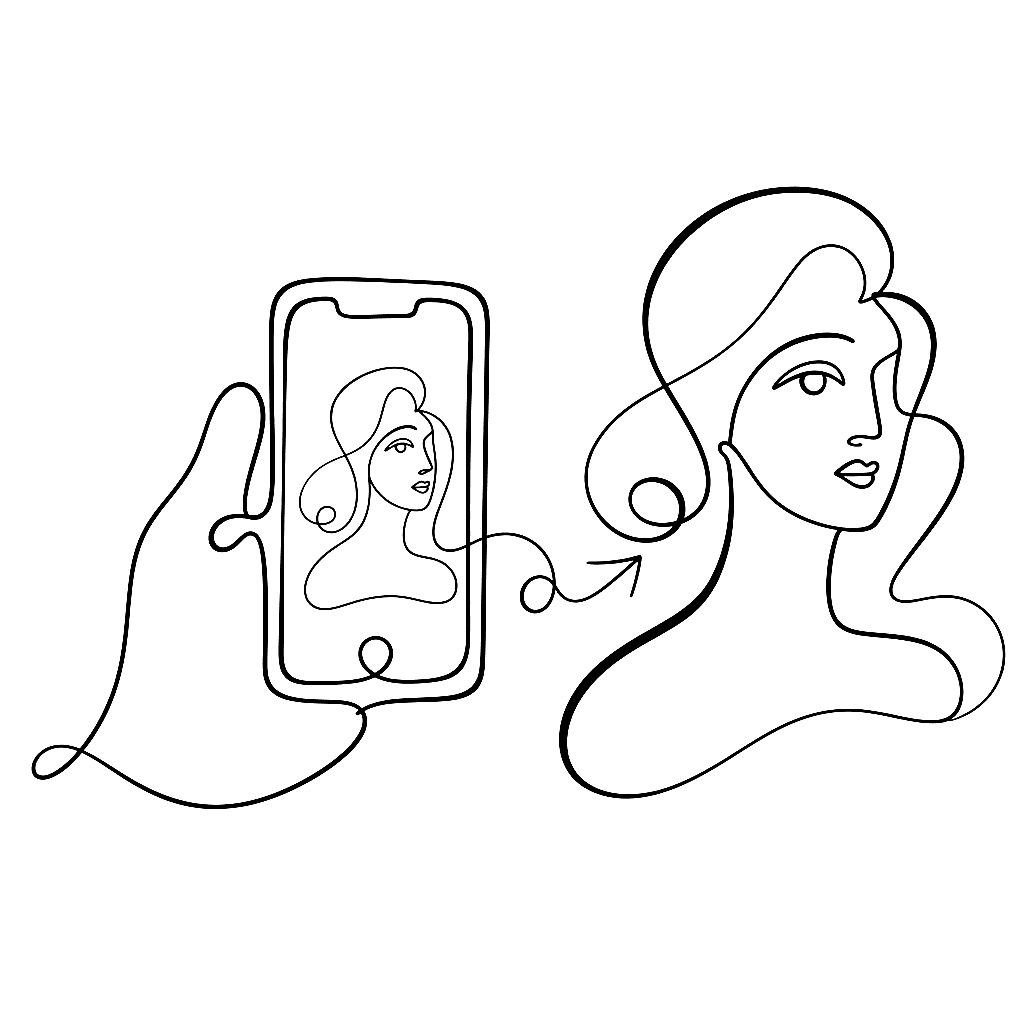
Drop a photo into Vexy Lines, and it hands you back a crisp vector drawing. It reads the brightness of your image and adjusts stroke thickness to match. Dark areas get heavy lines. Light areas get fine ones. It’s simple math, but the results look like magic.
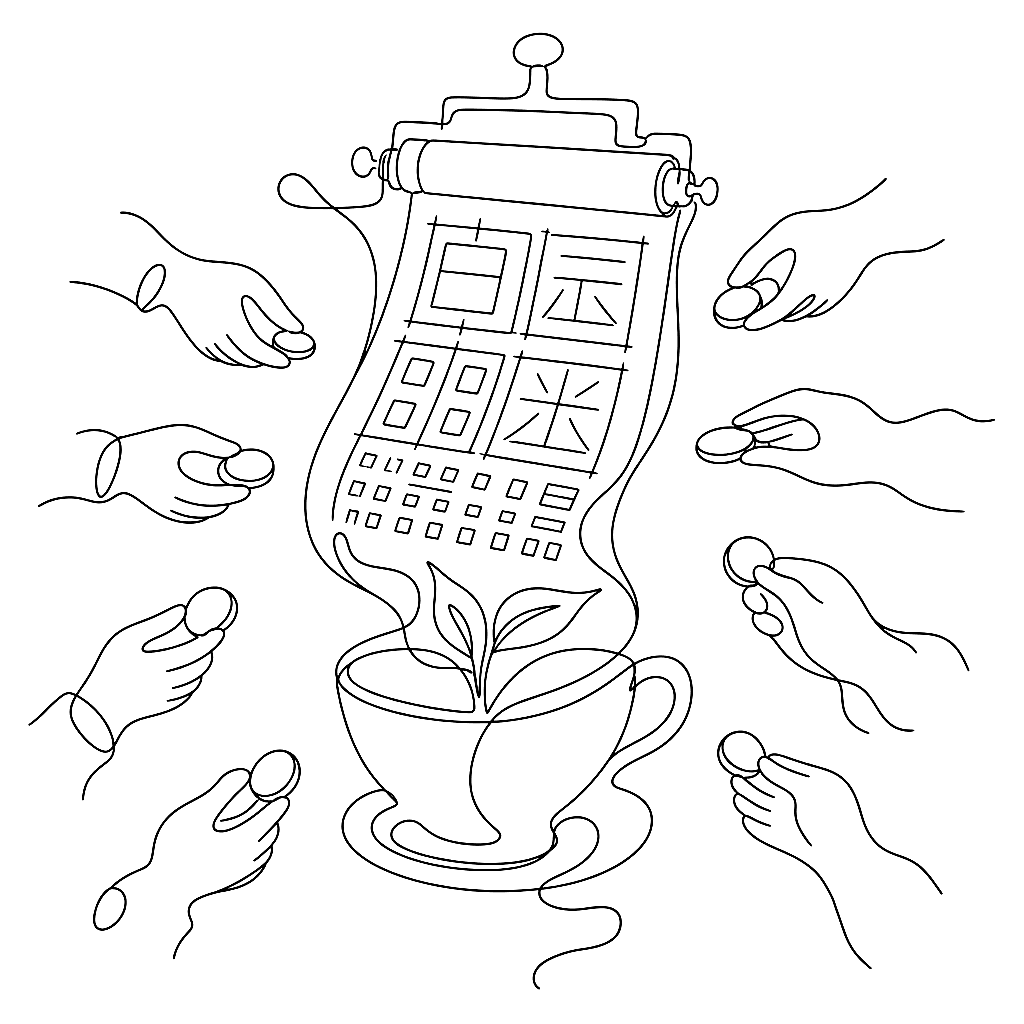
NT$1.5 million in eighty minutes. NT$26 million in the end. A typeface named after a tea proved that East Asian type had an audience willing to pay for it.
Type designers, like every healthy craft community, love a good debate. The forums where they gather — TypeDrawers, r/typography, the various national mailing lists — are full of long, careful, generously-argued threads about exactly the kind of detail that makes a difference at 9pt.
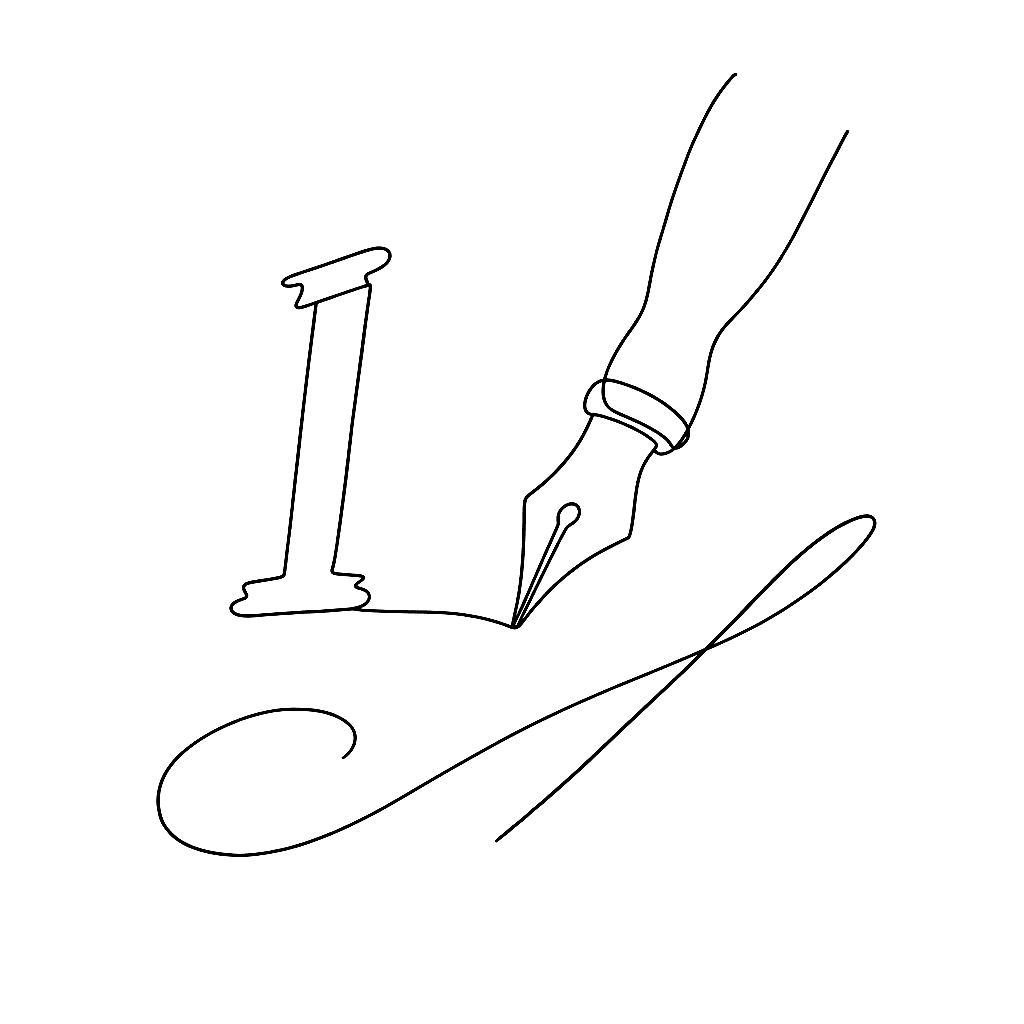
Italic is not roman tilted to the right. Slant your upright a and what you get is a tilted a, not an italic a — the structure is wrong, the rhythm is wrong, the connection points are wrong.
Seven weights. Four regional variants. 65,535 glyphs each — the maximum an OpenType font can hold. Adobe and Google hit the ceiling on purpose.
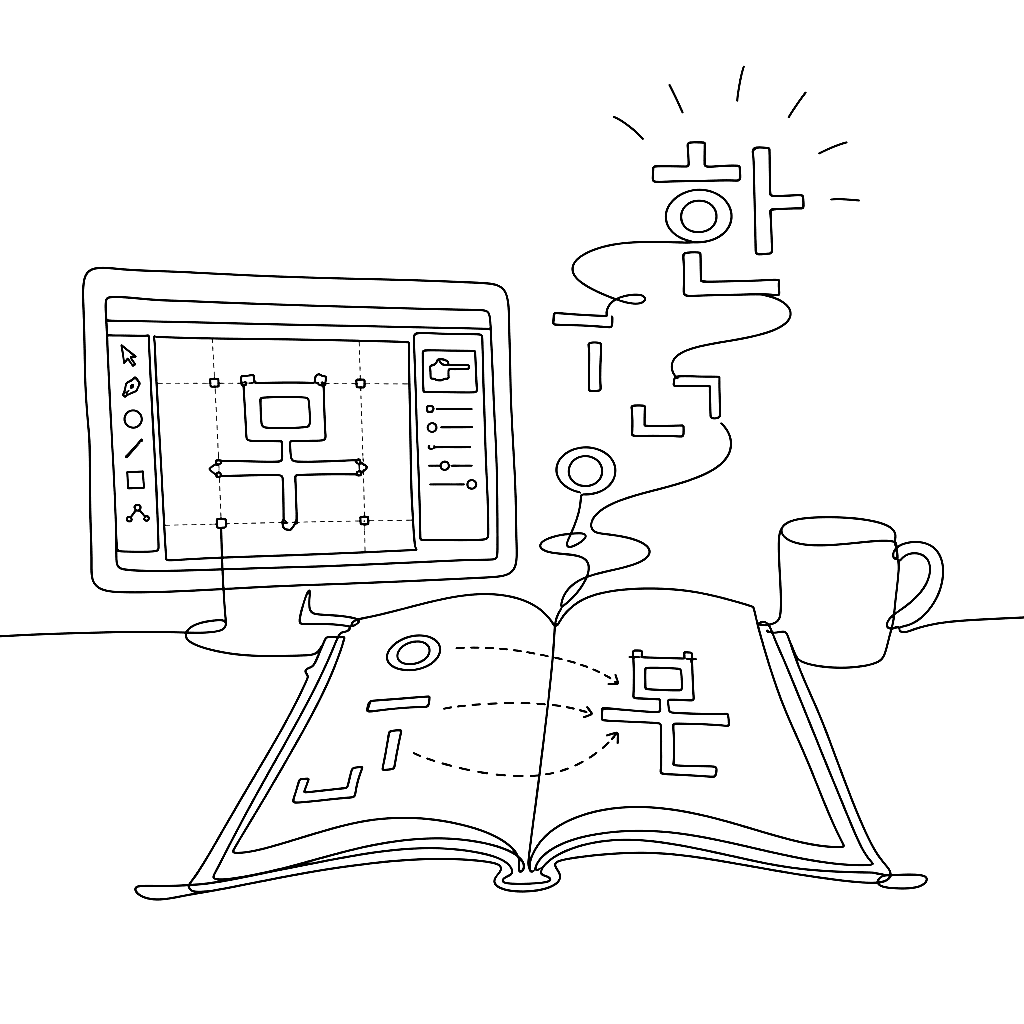
In April 2025, a Korean book appeared with a modest title and a very specific promise: 폰트랩 타입 디자인 — FontLab Type Design. Its subtitle is even better: “FontLab and Hangul 2780, an enjoyable story.” That is not just a manual. It is a map through one of the hardest jobs in type design.
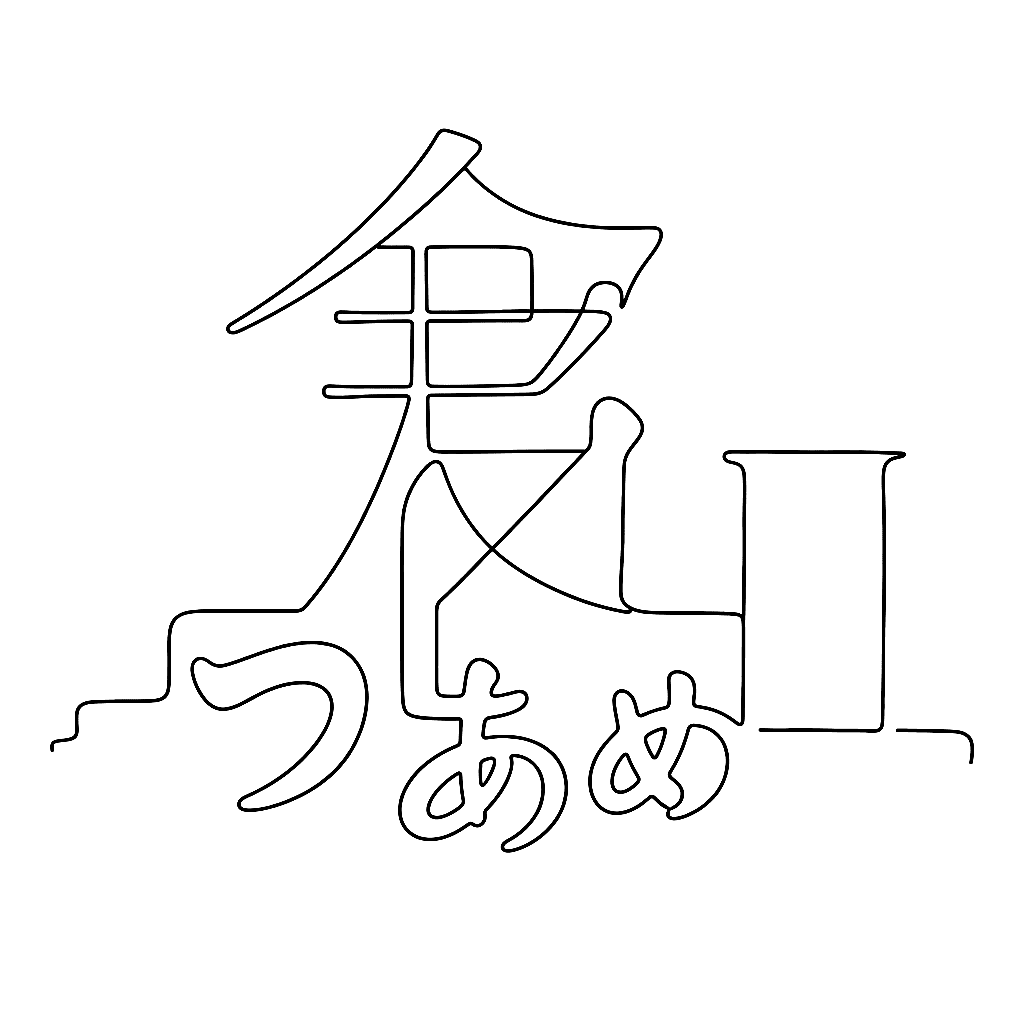
The problem with Japanese set in Helvetica has annoyed transit designers for fifty years. In January 2017, Akira Kobayashi did something about it.
OpenType features are the part of font design where text becomes typography. The FontLab TV OpenType episode walks through the feature tags you will actually use, what they do at runtime, and how to write them without breaking anything else.
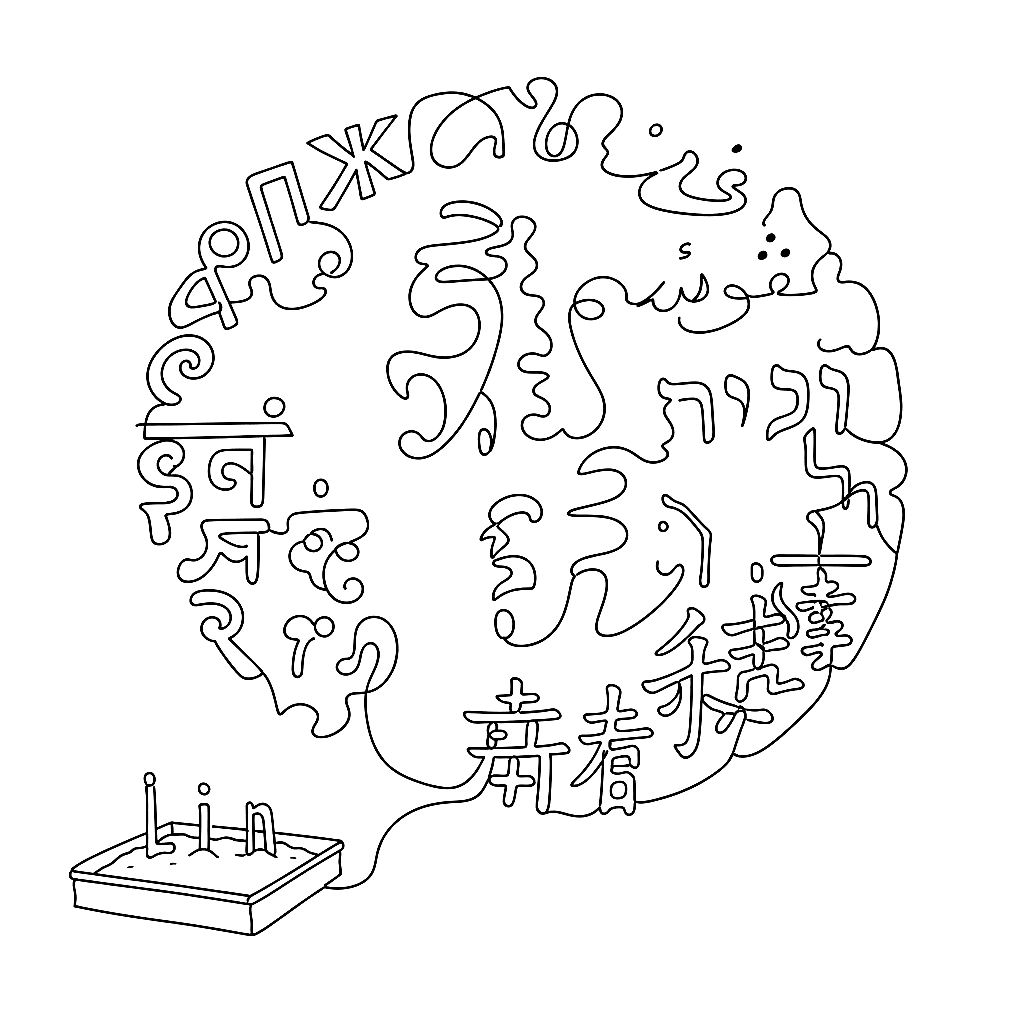
It is a common myopia in Western design to assume that typography begins with A and ends with Z. In reality, Latin script is one small neighbourhood in a vast, complex city of writing systems.
Honing is the part of font design between “I have a sketch” and “I have a glyph that ships.” The Calfonts honing tutorial — adapted here — covers the boring, decisive 80% of drawing: fixing paths automatically where you can, fixing them by hand where you must.
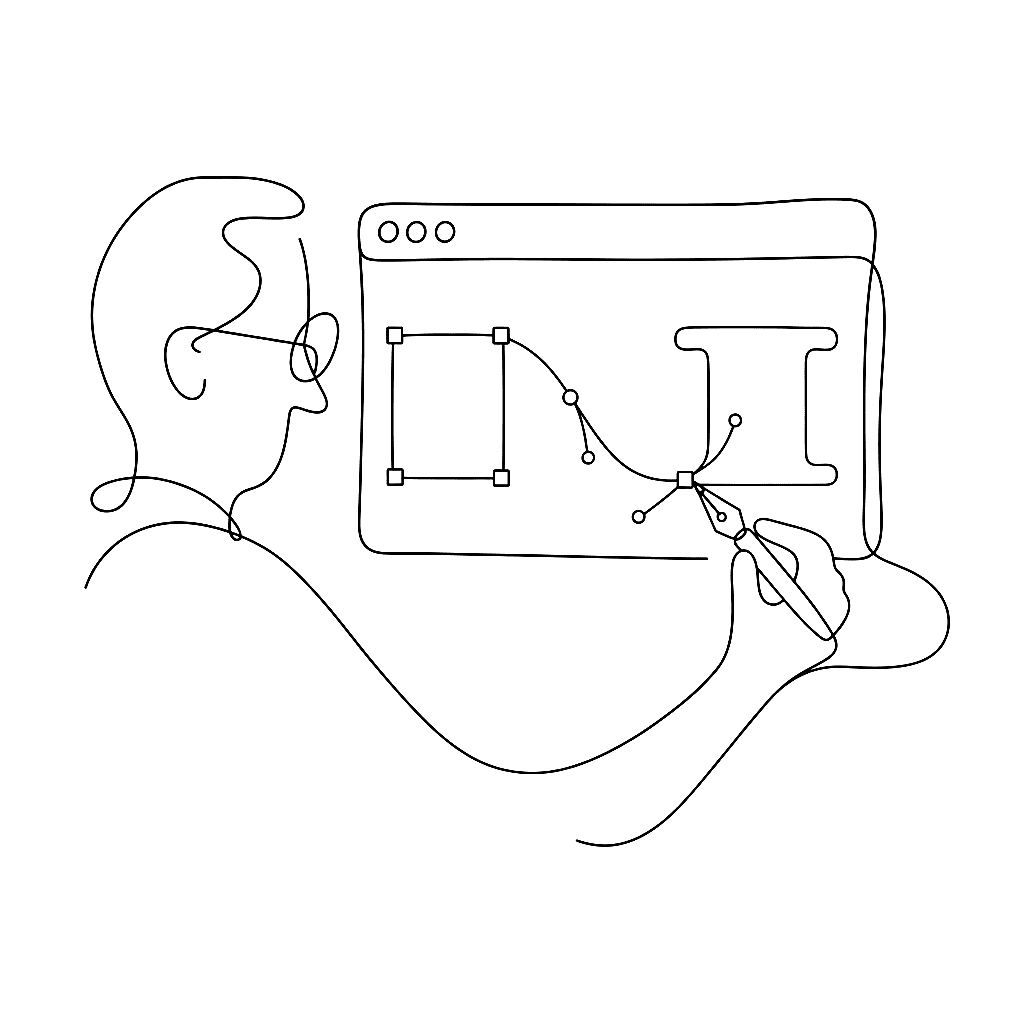
Graduate is the kind of variable font that makes the case for the format without having to argue. Slab to sans, light to black, all in one file. Eduardo Tunni drew it in FontLab.
One of Morisawa’s oldest typefaces made it into Your Name because it was imperfect in exactly the right way.
The Japanese font on your iPhone has been drawn since 1989 by a studio of three people.
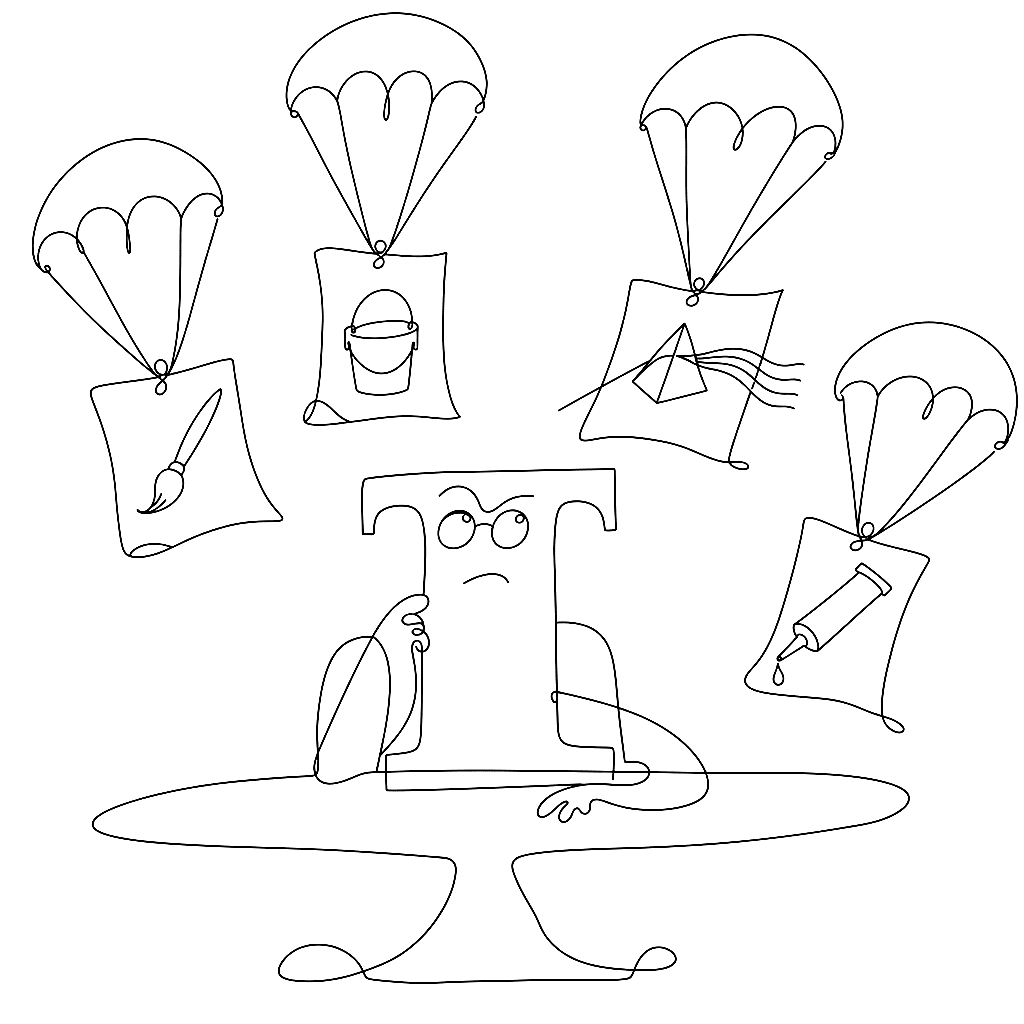
Type spent five hundred years in black and white. Then mobile phones demanded emoji, and four large companies sat down separately and proposed four entirely incompatible ways to put color into a font. The decade since has been an awkward growing-up.
A bold weight is not a thicker version of the regular. It is a different design that has to share a family with the regular and pretend they were drawn together. Briem’s bold tutorial — adapted lightly here — is the cleanest argument for why the obvious approach doesn’t work.

Three names. One style. A 19th-century missionary print shop at the centre of all of them.
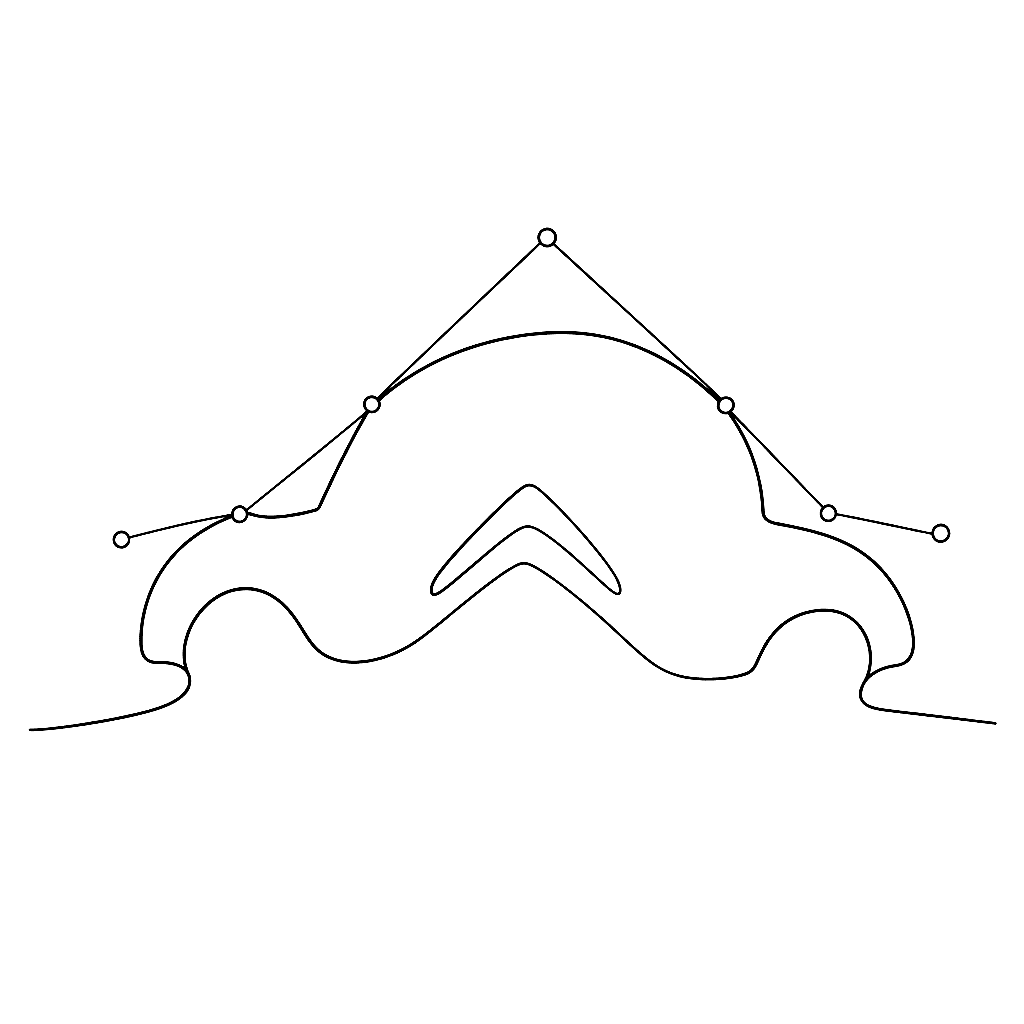
In 1958, Paul de Casteljau at Citroën worked out the mathematics of the curves we now draw with every day. A few years later Pierre Bézier at Renault arrived at the same idea independently and published it in 1962.